
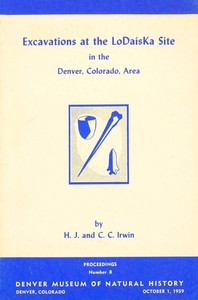
Excavations at the LoDaisKa Site in the Denver, Colorado area by H. T. Irwin et al.
The Story
Field notes, dirt smudges, and a whole bunch of broken rocks—that’s what *Excavations at the LoDaisKa Site* is made of. But underneath this technical report vibe, there’s a gripping suspense. Imagine a campsite nestling in the plains near Denver, where researchers dig down through nine distinct cultural layers, each representing a different time and a different group of humans. From the early wandering hunters who chased bison across treeless tundra to the later, more settled tribes who built baskets, each chapter uncovers what this place looked like back then. And hoo boy, the climate kept shifting—cold, wet, dry, hot. The author and her team aren’t just scraping ancient hearths; they’re reading the land like a history book. What really stands out? The feeling that our ancestors left messages about survival, adaptability, and hope in piles of stone and pieces of bone. No battle cries or crowned kings—just families waiting for the next season to decide if they lived or died.
Why You Should Read It
Forget any fancy geography. This book is for anyone who’s ever wondered what it’d be like to live before Amazon, shelter, or even farms. Irwin-Williams and her crew make dirt come alive. They break it down so when you look at a stone arrowhead, you see the story behind it: someone made that point, used it to hunt a deer, stitched clothes, started a fire, sang a song maybe. The book feels less like a boring lecture and more like watching an archeology show on a rainy Saturday. There’s drama, too—worries about flooding, broken drill bits, ideas about trade routes connecting very remote groups. Reading it makes you feel smarter; you catch the hidden link between pottery designs and ancient families from Utah. These aren’t just scientific abstract ideas—these feel like people we can root for, something every reader can share in feeling respect for how they thrived.
Final Verdict
Perfect for anyone whose mind drifts while wandering a hiking trail and wonders what footprints came before them. Also a banger for history nerds who secretly read National Geographic in resting mode. The vibe is very 2013 YouTube video essay—layperson-friendly with bursts of excitement hitting every new discovery. The language isn’t punishing, but packs a real solid research punch. You should crack it open over a cup of coffee with your brain set to ‘curious’. If you loved old-school anthropology books like *Lucy: The Beginnings of Mankind*, but wanted something that reveals your own backyard, this will light a fire in your soul—literally, often about actual embers!
Legal analysis indicates this work is in the public domain. Distribute this work to help spread literacy.
Michael Williams
2 years agoThe information is current and very relevant to today's needs.
Mary Smith
1 year agoLooking at the bibliography alone, the way it handles controversial points with balance is quite professional. I feel much more confident in my knowledge after finishing this.







Ashley Taylor
5 months agoHaving read the author's previous works, the critical analysis of current industry standards is very timely. I'll be citing this in my upcoming project.