Printers' Marks: A Chapter in the History of Typography by W. Roberts
Okay, let's set the scene. It's the 1400s and 1500s. The printing press is the absolute cutting-edge technology, changing the world faster than the internet. In cities across Europe, printers are setting up shop. But how do you, as a customer, know which printer made a good, reliable book? And how does a printer say, "Hey, I made this!"? They couldn't just slap their name on the cover like we do today.
The Story
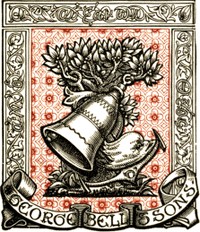
This book tells the story of their solution: the printer's mark. Think of it as the first corporate logo, but way more personal and often deeply symbolic. Author W. Roberts acts like a guide, taking us through this visual history. He shows us hundreds of these marks—eagles, globes, mythical creatures, biblical scenes—and explains where they came from. He connects the dots between a printer's family history, the city they worked in, and the symbol they chose. The "plot" is the hunt for meaning in these miniature artworks and understanding the fierce pride and rivalry they represented.
Why You Should Read It
I loved this because it made me look at my own old books completely differently. It's not a dry history lesson; it's a key to a secret code. Roberts' enthusiasm is clear. He gets excited about the difference between a mark from Venice and one from Paris. He shows how these symbols were used to fight book piracy (yes, it existed back then!). Reading this, you realize that every one of these tiny engravings is a story about a person, a business, and a craft. It adds a whole new, human layer to the history of the book.
Final Verdict
This is a perfect little book for curious minds. If you're a history buff who likes niche topics, a book collector wanting to understand more about your treasures, or just someone who enjoys spotting hidden details in everyday things, you'll find it absolutely captivating. It's relatively short, packed with pictures, and offers a truly unique perspective. It's for anyone who has ever held an old book and wondered about the hands that made it.
This text is dedicated to the public domain. Thank you for supporting open literature.
Sarah Lewis
6 months agoI have to admit, the clarity of the writing makes this accessible. This story will stay with me.
Kenneth Young
3 months agoBased on the summary, I decided to read it and the plot twists are genuinely surprising. Exceeded all my expectations.
Joseph Wright
8 months agoI have to admit, the pacing is just right, keeping you engaged. Thanks for sharing this review.
Ava Martinez
1 year agoSimply put, the emotional weight of the story is balanced perfectly. I learned so much from this.
Matthew White
1 year agoI started reading out of curiosity and it creates a vivid world that you simply do not want to leave. I will read more from this author.